
Walk into any major supermarket in January and you will find fresh strawberries on the shelf. In July, you will find clementines. The seasonal availability of fresh produce varies dramatically depending on origin, climate, and growing cycles — yet consumers expect their favourite fruits and vegetables to be available every single week of the year. Bridging that gap is one of the most complex challenges in global fresh produce trade.
The solution is seasonal sourcing strategy — a deliberate, planned approach to shifting procurement origins throughout the year to maintain consistent supply and quality regardless of the season.
For example, a European retailer sourcing tomatoes in winter cannot rely on domestic production. They need to look at Morocco, Spain’s southern regions, or even further afield. In summer, the same retailer might shift entirely to local or near-shore origins to reduce freight costs and improve freshness. Managing these transitions smoothly, without gaps in supply or spikes in price, requires deep market knowledge and established supplier relationships across multiple geographies.
This is where experience genuinely matters. A trade partner who has been sourcing across different origins for two decades knows which Moroccan supplier delivers consistent calibre, which Spanish cooperative can scale volume at short notice, and which South African exporter can be trusted during the European off-season. That knowledge cannot be replicated from a database — it comes from years of real transactions and relationship building.
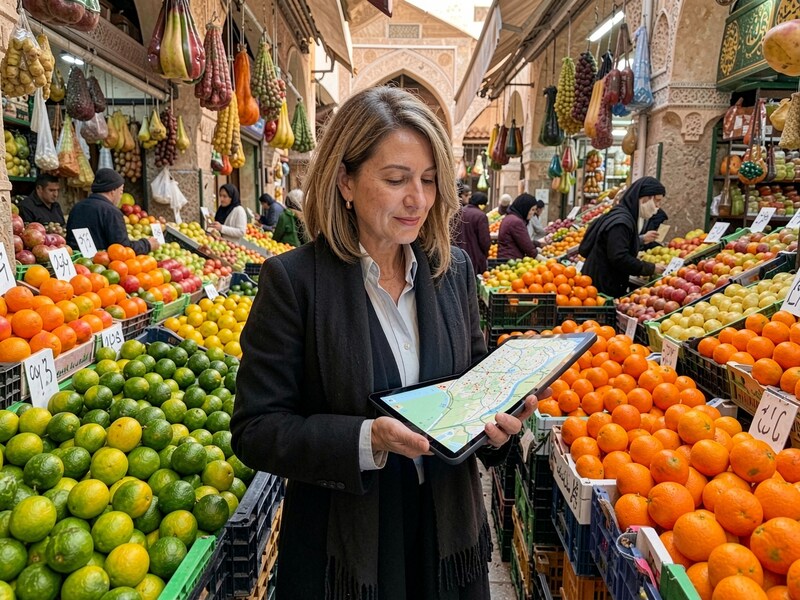
At Neriva Global, seasonal sourcing planning is built into everything we do. We map supply availability months in advance, monitor crop forecasts from key producing regions, and advise our retail clients on when to lock in volumes and when to remain flexible.
The retailers who manage fresh produce availability best are not simply reactive — they plan ahead, diversify their sourcing base, and work with trade partners who understand the rhythms of global agricultural production.
In an industry where the calendar dictates everything, the best sourcing strategies are always written a season ahead.